

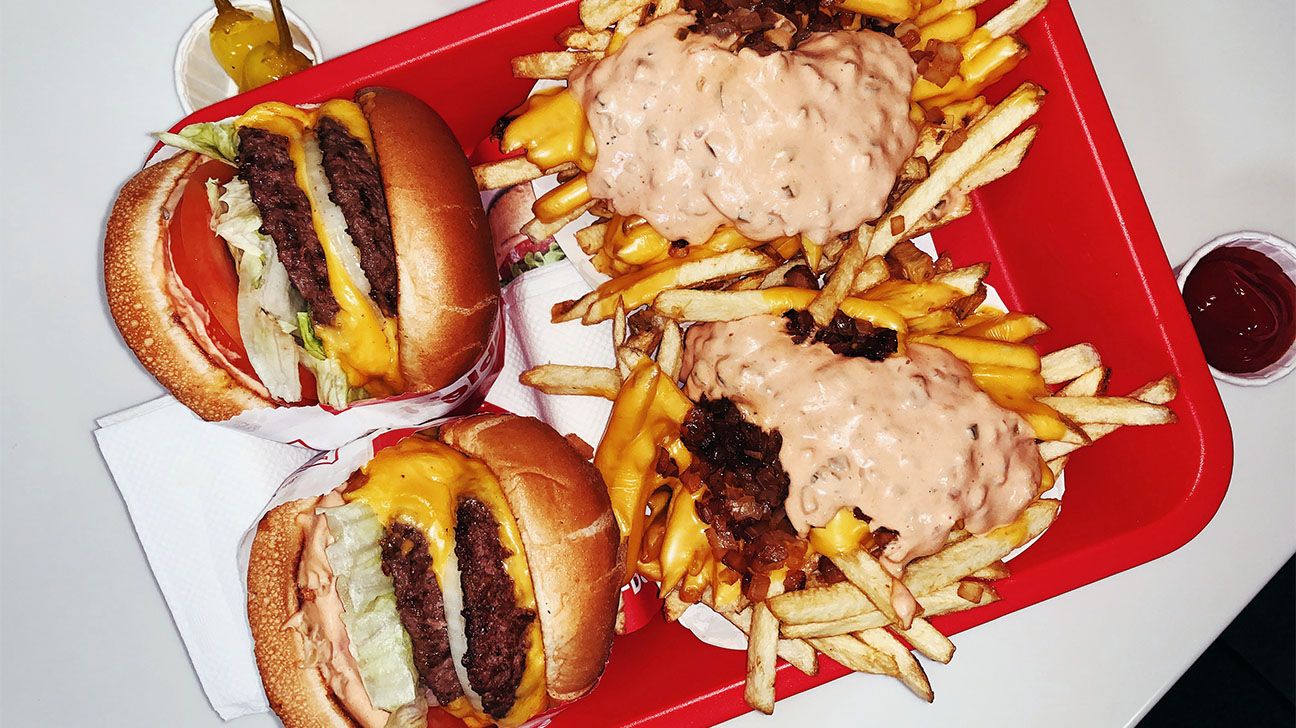
- A recent review found that highly engineered consumables could be as addictive as tobacco products.
- Scientists found that UPFs are engineered to maximize reward and hasten the absorption of reinforcing components.
- The “addictive” quality of these foods means they drive compulsive consumption and interfere with natural hunger cues.
- Study contributors suggest that ultraprocessed foods ought to be subject to regulations similar to those for cigarettes.
Currently, there is not a agreed-upon definition of UPFs. Certain experts describe them as foods that include additives you would not typically use in a domestic pantry, for instance emulsifiers and additives.
A lot of dietitians use the NOVA system to identify UPFs. This describes foods that are “formulations of components, primarily of manufacturing origin, usually produced by a range of industrial techniques and methods.”
A fresh review published in The Millbank Quarterly proposed that UPFs may be as addictive as tobacco products.
“I agree with this study, as UPFs are intentionally formulated to be extremely attractive to the majority of people,” commented a bariatric surgeon not affiliated with the research.
Research from 2023 estimates that more than 73% of the food supply in the America is classified as ultraprocessed.
“Tobacco and ultraprocessed foods are not simply whole foods but highly engineered delivery systems created purposely to increase physical and mental reinforcement and repeated intake,” noted the review’s authors.
Can UPFs Addictive?
This analysis synthesized findings from substance use, public health history, and nutrition in order to highlight textural and compositional characteristics that enhance the reinforcing potential of both tobacco and ultraprocessed foods.
“It’s not all people is ‘hooked’ to these foods, but for a sizable group, they trigger classic addiction-like patterns: intense desires, loss of control, and persistent consumption even with negative health effects,” said a heart health nutrition expert.
“These products are purposely formulated with refined carbs, added fats, salt, and flavor enhancers to optimize pleasure and repeat consumption, and the food sector uses persuasive advertising strategies, especially aimed at children,” she stated.
The authors examined five key areas:
- rapid absorption
- hedonic engineering, or creating products to be extremely pleasurable
- perfecting the amount
- widespread availability
- deceptive reformulation, or “health washing”
The study concluded that, similar to cigarettes, UPFs are fine-tuned to provide the right dose of sugar.
“Processed carbs stimulate the feel-good chemical production via the a key neural pathway, whereas lipids do so through intestinal lipid sensing,” the authors explained.
“… Ultraprocessed foods with high levels of processed carbs and added fats are among the most potently rewarding substances in the contemporary food supply. It is key that this processed carb and fat mix is almost nonexistent in nature.”
The way these foods quickly deliver “feel-good” substances to the brain makes them potentially addictive, similarly to tobacco.
The paper stated that while tobacco are designed to deliver nicotine quickly, ultraprocessed foods are engineered to be broken down and absorbed quickly, as they typically have minimal dietary fiber. This makes it easier for the body to metabolize lipids and carbohydrates faster.
Authors also point out that UPFs give deliberate intense tastes that fade quickly and textures that dissolve easily. This collectively works to trigger more dopamine and prompts individuals to eat more.
‘Health Washing’ in Cigarettes, Ultraprocessed Foods
According to the review, both the tobacco and processed food industries have long used a tactic called “wellness branding.”
This is where products are marketed and reformulated to create an illusion of reduced harm while maintaining the core of their properties.
This tactic in the cigarette sector gained traction in the mid-20th century with the advent of filters on smokes.
They were sold as protective innovations that would trap harmful substances before they reached the respiratory system. In reality, filters provide minimal meaningful protection.
However, people typically adjusted by inhaling deeper or smoking more frequently, which offset any reduction in harmful intake.
The food industry has adopted a similar approach. It uses packaging claims like “low fat” or “sugar-free” to market UPFs.
However, these items often retain the very addictive ingredient combinations. The problem is that these changes offer a superficial appearance of wellness while the item’s addictive structure and health risks persist unchanged.
Ought Ultraprocessed Foods Be Regulated?
The authors noted at the conclusion of their review that food and smoking products are fundamentally different.
Still, they cautioned that certain UPFs act like highly optimized consumables rather than actual food. They recommended that health regulations ought to acknowledge this reality.
“Tobacco offers a cautionary tale, and smoking regulations offers a source of potential,” the authors wrote.
Due to policies, smoking levels in the United States have fallen and have “reshaped public perception of smoking and diminished confidence in the sector.”
“I believe increased awareness about the negative impact of UPFs is crucial to reduce public intake and improve population wellness. The strategies used to curb tobacco use have been successful and could be a helpful model for ultra-processed foods as well,” commented one specialist.
“It is not my view UPFs ought to be controlled precisely like tobacco, but they do warrant stronger, tobacco-inspired policies: marketing restrictions, obvious front-of-package labeling, tighter standards on wellness assertions, and limits in schools or medical facilities,” noted another nutrition professional.
The authors pointed out to people that minimally processed and unprocessed foods have supported our well-being for millennia.


